Enter OTP




Day & Boarding
2012
$ 162.2K-220.5K
British
The school is located in "38 Tsing Ying Rd, Tuen Mun, Hong Kong".
The morning registration starts at 8:10 am for all pupils. HISHK EYC pupils end their day at 2:00 pm, Lower School pupils end their day at 3:30 pm, and Upper School pupils finish at 4:30 pm. Although pupils in the Lower School and Upper School have Co-curricular activities available to them after school, ending at 4:30 pm for Lower School pupils and around 5:45 pm for Upper School pupils.
A varied extra-curricular program is an essential part of a Harrow education and, distinctively in Hong Kong a significant part of it is integrated into the School day for all students from Y1 to Y13. Through activity option choices and a number of core activities that take place within the timetable, as well as in enrichment time after 5.15pm for boarders, the extra-curricular activities program aims to develop skills associated with service, charity, teamwork, creative expression, leadership and challenges through a wide range of team and individual sports, music, art, drama, cultural and academic extension activities etc.
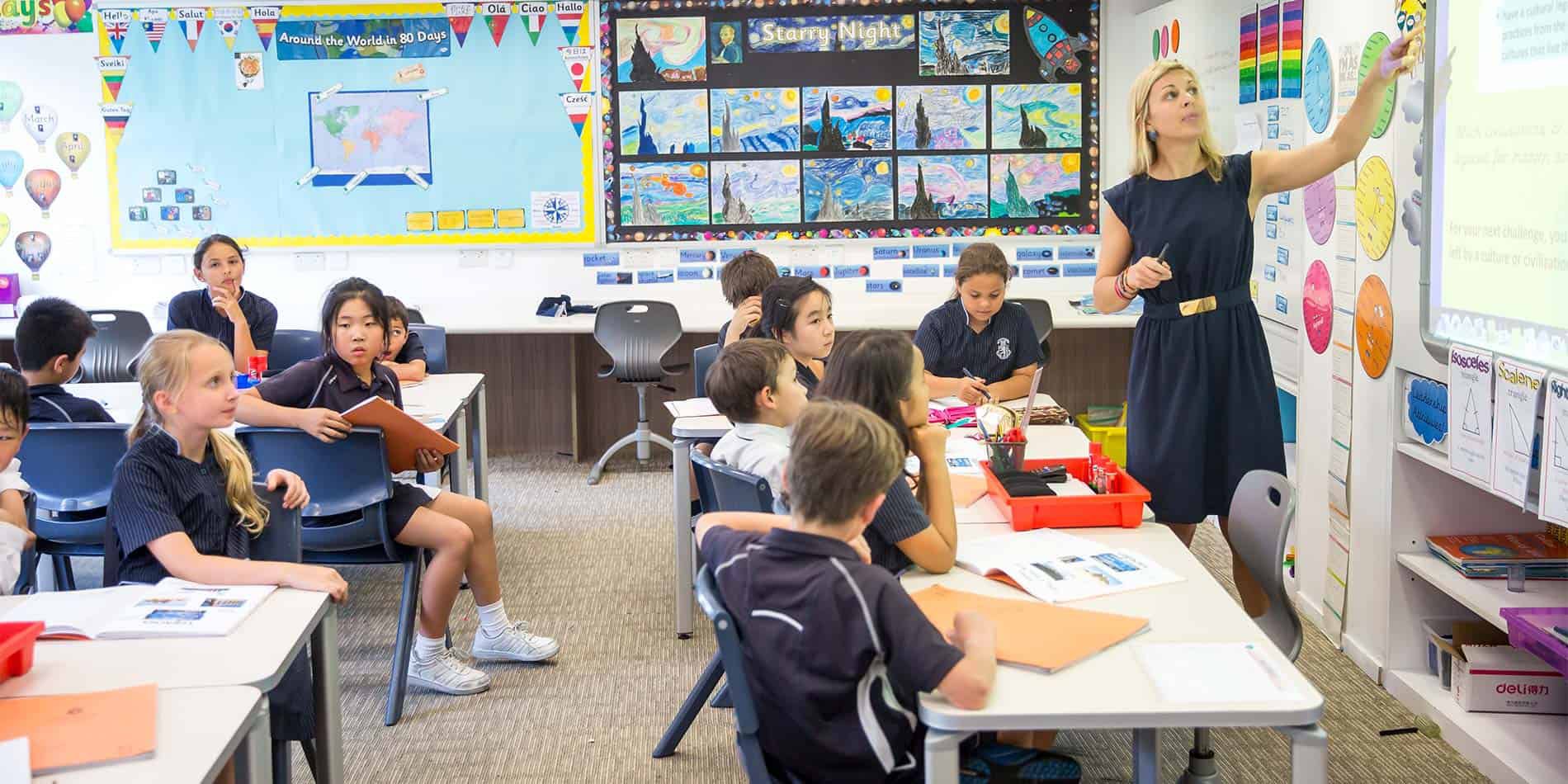
HISHK classes are between 18-24 pupils per class depending on the year group. Classes in core subjects, such as Maths, English, Science, Chinese and Modern Foreign Languages are smaller as are GCSE and A Level classes.
For pupils enrolled who have identified learning difficulties, intellectual giftedness, or multiple exceptionalities, the Individual Needs Department coordinates interventions while monitoring pupil progress and wellbeing. The Individual Needs Department works alongside the Language and Learning Department, Counselling, and Class Teachers to ensure that the academic, social, and pastoral needs of pupils are met through quality differentiation and effective collaboration between educational stakeholders.
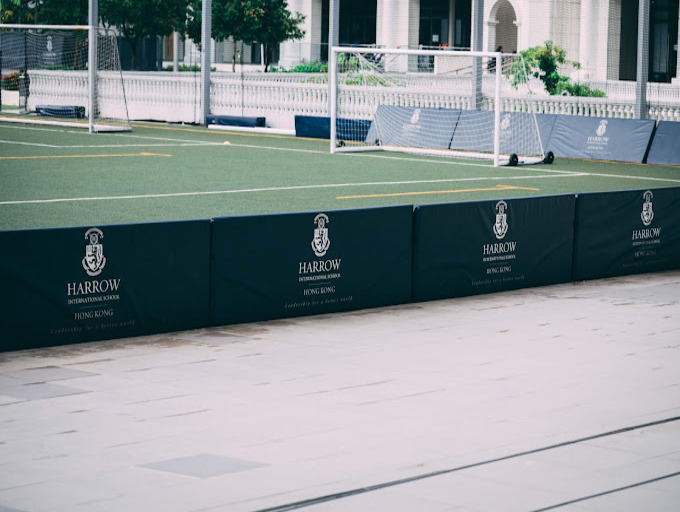
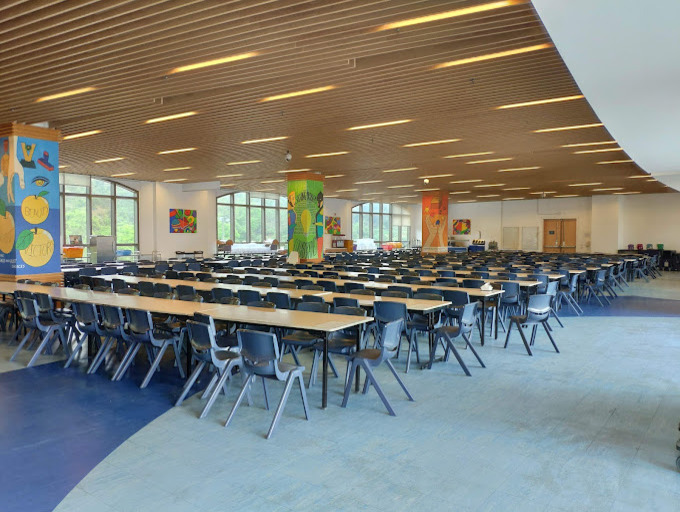
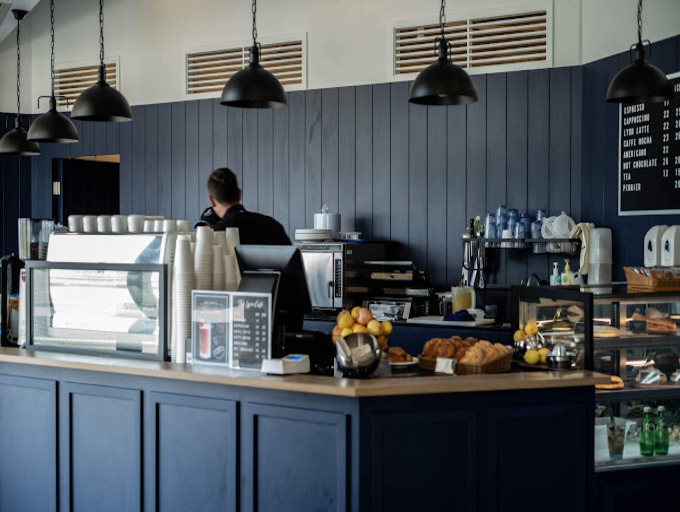
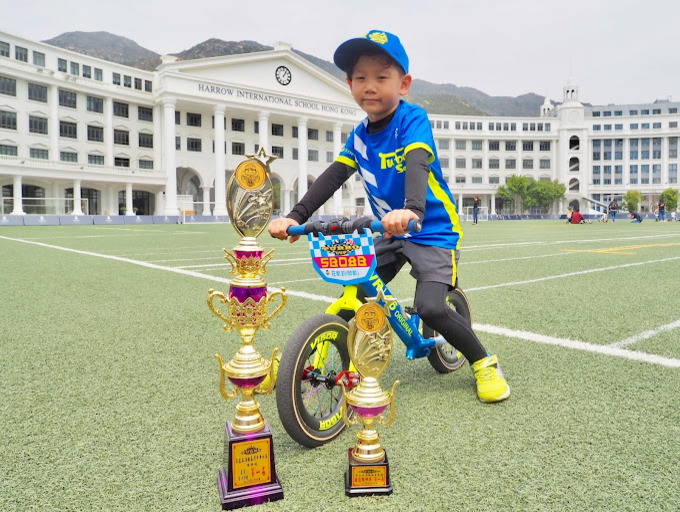
The facilities are purpose-built and world-class. The Lower School includes dedicated areas for Early Years and Years 1 to 5, with various indoor and outdoor learning environments. There is also a dedicated ICT suite, music room, and art area. The Upper School has science labs, specialist art, music, and drama facilities, and a recording studio; classrooms are equipped with traditional desks and Harkness tables, the latter being used for lessons that encourage minimal teacher involvement. Facilities including an auditorium, sports/assembly hall, fitness room, artificial and grass sports pitches, tennis/basketball/netball courts, an adventure playground, indoor swimming pool, gymnasium, and library and learning lounge are used by all students. There is also a canteen serving hot lunches etc.
The most common nationality is "British".
The ratio of local students to international students is "3:7".
In the Early Years, 16 in K1, 18 in K2; in Pre-Prep, 22 in Y1 to Y2, 24 in Y3 to Y5; 24 in the Prep School (Y6 to Y8) and Senior School (Y9 to Y11); and 15 in the Sixth Form (Y12 to Y13).
The external examinations or assessments available are "IGCSE and A-level examinations".
100% (with some may go on a gap year program) of students pursue further education post-graduation.
The School is, however, happy to receive late applications from pupils who are re-locating from overseas, plus strong late applications from local students, subject to places being available etc.
Yes, there are sports teams or sport competitions available for students.
The annual teacher turnover of the school is "15%".
The teaching community of the school consist of 50% main international teacher nationalities i.e. American, Australian, British, Continental European (EU), Irish, Local, Other and 50% local teachers.
Minimum 2 years of experience is required to recruit.
The recruitment month starts from "December".
The start and end of the school year is "August to June".
The community of the school is "Tuen Mun, New Territories".
Approximately 40% of HISHK Upper School pupils are weekly boarders.
Find and gain admission to the schools that is perfect for you

Explore schools that match not only your academic interests but also your lifestyle, financial needs, and long-term goals. With personalized guidance, identify institutions that offer the right support, resources, and community to help you thrive. Navigate the admissions process confidently and find a school that feels like home—a place where you can grow, connect, and prepare for a successful future.