
Joensuu, Finland

Joensuu, Finland

Cost Of Living

Undergraduate Fees International Students

Post Graduate Fees International Students


Karelia University of Applied Sciences stands out for its strong practical learning approach combined with international exposure and industry integration. One of its key USPs is its practice-oriented education model, where students work closely with local companies and organizations on real-life projects, ensuring they graduate with hands-on experience and job-ready skills. Another major strength is its strong industry and regional collaboration, as the university plays an important role in regional development and innovation, allowing students to participate in research, development, and innovation (RDI) projects that directly connect with industry needs. Karelia UAS also has a distinct advantage in internationalisation, being part of the INVEST European University Alliance, which provides global exposure, exchange opportunities, and collaborative learning across multiple countries.
Saku Rissanen is a Finnish politician associated with regional governance and public service. As an alumnus of Karelia U... View More
Saku Rissanen is a Finnish politician associated with regional governance and public service. As an alumnus of Karelia UAS, he represents graduates who move into politics and public administration, contributing to regional development and policymaking in Finland. View Less
Tatu Lausala has built a career in the business and corporate sector, reflecting Karelia’s emphasis on practical busin... View More
Tatu Lausala has built a career in the business and corporate sector, reflecting Karelia’s emphasis on practical business education. His professional journey highlights how graduates transition into management roles and entrepreneurial ventures. View Less
Hanna Hämäläinen represents Karelia graduates in the healthcare sector, where alumni contribute as skilled profession... View More
Hanna Hämäläinen represents Karelia graduates in the healthcare sector, where alumni contribute as skilled professionals in nursing, social services, and health management, both in Finland and internationally. View Less
Janne Karjalainen is associated with entrepreneurship and business development, representing Karelia graduates who estab... View More
Janne Karjalainen is associated with entrepreneurship and business development, representing Karelia graduates who establish startups or work in innovation-driven sectors, particularly within Finland’s growing SME ecosystem. View Less
Mikko Hartikainen has built a career in the engineering field, highlighting the university’s strength in producing tec... View More
Mikko Hartikainen has built a career in the engineering field, highlighting the university’s strength in producing technically skilled graduates who work in industrial and technology-focused roles. View Less
Laura Korhonen is linked to the media and communications industry, reflecting Karelia’s programs in media and creative... View More
Laura Korhonen is linked to the media and communications industry, reflecting Karelia’s programs in media and creative fields and the career paths students pursue in journalism, content creation, and digital media. View Less
Antti Heikkinen represents graduates working in public administration and regional development, contributing to governan... View More
Antti Heikkinen represents graduates working in public administration and regional development, contributing to governance and community-focused initiatives in Finland. View Less
Infrastructure at Karelia University of Applied Sciences is modern, practical, and designed to support applied learning, innovation, and student well-being. The university operates mainly across two campuses in Joensuu—Tikkarinne Campus and Wärtsilä Campus—both of which function as multi-disciplinary learning environments equipped with advanced academic and support facilities. These campuses are located close to each other and are easily accessible by public transport, cycling, or walking, creating a convenient and student-friendly environment. The university provides modern classrooms, lecture halls, and specialized laboratories across disciplines such as business, engineering, healthcare, media, and forestry. Tikkarinne Campus, for example, includes healthcare simulation environments and even a student hospital setup for practical training, while Wärtsilä Campus houses facilities for business, IT, tourism, and energy-related studies.
Student life at Karelia University of Applied Sciences is vibrant, inclusive, and strongly community-oriented, offering a balanced mix of academics, social engagement, and personal well-being. Located in the student-friendly city of Joensuu, the university provides an environment where students can easily connect, participate in activities, and enjoy a high quality of life. The campuses are lively and interactive, with modern study spaces, common areas, and student lounges that encourage collaboration and social interaction. Students often participate in orientation programs, cultural events, and themed parties, which help especially international students integrate quickly and build friendships. The close-knit campus culture ensures a welcoming atmosphere where students from diverse backgrounds feel included.


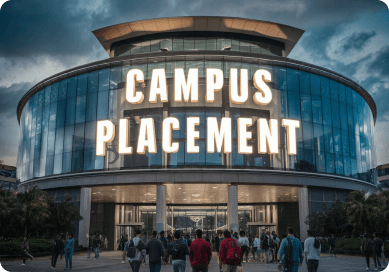
Karelia University of Applied Sciences follows a practical, industry-linked approach to campus recruitment, focusing more on internships, projects, and employer collaboration rather than traditional on-campus placement drives seen in countries like India. The university runs initiatives such as the Future Talents Partnership Programme, which connects students especially from English-taught programs with regional employers, enabling them to secure internships, thesis projects, and potential job opportunities in Finland. In addition, Karelia provides dedicated career services and coaching, where students receive guidance on CV building, job applications, LinkedIn profiles, and career planning. The university also organizes career workshops, thematic weeks, and walk-in career counselling sessions, helping students prepare for employment and transition smoothly into the workforce.
The below information is required while
completing the university application :
Karelia University of Applied Sciences requires international undergraduate applicants to have successfully completed a recognized upper secondary (high school) qualification equivalent to Finnish matriculation, making them eligible for higher education in their home country.
Students must apply through the national portal (Studyinfo) during the official application periods and, from 2025 onwards, non-EU/EEA applicants must pay a €100 application fee.
Applicants are also required to demonstrate English language proficiency, which is mandatory for being invited to the entrance process.
Admission is typically based on either certificate-based selection (for qualifications like IB, EB, or equivalent) or by passing the International UAS Exam, which is conducted online.
In some cases, applicants may also submit SAT scores as an alternative.
Academically, students are generally expected to have around 60–70% or higher in high school (especially in mathematics-related subjects for technical programs) depending on the programme and admission route.
Applicants must submit all required educational documents and, if selected, provide final certificates before enrollment. Overall, the process emphasizes academic eligibility, English proficiency, and performance in entrance examinations or prior qualifications.
Know moreKarelia University of Applied Sciences follows a practical, industry-linked approach to campus recruitment, focusing more on internships, projects, and employer collaboration rather than traditional on-campus placement drives seen in countries like India. The university runs initiatives such as the Future Talents Partnership Programme, which connects students especially from English-taught programs with regional employers, enabling them to secure internships, thesis projects, and potential job opportunities in Finland. In addition, Karelia provides dedicated career services and coaching, where students receive guidance on CV building, job applications, LinkedIn profiles, and career planning. The university also organizes career workshops, thematic weeks, and walk-in career counselling sessions, helping students prepare for employment and transition smoothly into the workforce.

Karelia University of Applied Sciences has received several notable awards and achievements reflecting its excellence in education, research, and student outcomes. In 2024, it achieved the highest possible rating (5/5) in Finland’s national Open Science and Research evaluation, demonstrating strong performance in transparency and research practices. The university also successfully passed the audit by the Finnish Education Evaluation Centre (FINEEC) in 2024 and was awarded a quality label valid for six years, recognizing its effective quality management system and alignment with regional development. Additionally, its involvement in the “WasteLess Karelias” project (2018–2022) earned the Arctic Award 2022 for innovative sustainability efforts in waste management. Karelia UAS has also performed strongly in student satisfaction, ranking among the top universities of applied sciences in Finland based on graduate feedback in 2024, particularly for career guidance and internationalisation. Furthermore, its students have been recognized through various scholarships and academic awards, highlighting both institutional quality and individual academic excellence.


In terms of student outcomes, Karelia UAS has received excellent graduate feedback (2024), ranking fifth among all Universities of Applied Sciences in Finland for student satisfaction, with particularly strong results in career guidance, internationalisation, and internships..
The university has also been associated with impactful research initiatives such as the “WasteLess Karelias” project (2018–2022), which won the Arctic Award 2022 for its innovative approach to improving waste management and sustainability in Arctic regions through community collaboration.
Karelia University of Applied Sciences has been actively involved in applied research and innovation across multiple domains, particularly focusing on sustainability, entrepreneurship, and digital transformation. The Communicative Energy Project (2020–2021) explored carbon neutrality in digital services by analysing the energy impact of web-based businesses, while earlier Erasmus+ entrepreneurship and innovation projects (2016–2019) strengthened international collaboration and entrepreneurial skills across Europe. Around 2017, the university developed open RDI (Research, Development and Innovation) environments such as energy parks, wood construction systems, and healthcare simulation platforms to support collaboration between students, researchers, and industries. In the 2020s, ongoing initiatives like entrepreneurship development projects and the Talent Hub Eastern Finland have focused on enhancing startup ecosystems and improving employment opportunities for international students. More recently, the AI-enabled Innovation Winter School (2025) highlighted the university’s engagement with emerging technologies by fostering global teamwork and AI-based solutions, while the Climate Programme Development (2026) demonstrated its commitment to sustainability through carbon reduction strategies and institutional climate planning.
A Climate Programme for Karelia UAS, developed in 2026, focused on reducing carbon footprint and promoting sustainability across the institution. The research included carbon calculations, stakeholder interviews, and feasibility studies, resulting in a structured plan aligned with regional climate goals and sustainable development strategies.
In 2025, Karelia UAS hosted an AI-enabled innovation winter school under international collaboration programs, where students worked in global teams to develop AI-based products and services. This initiative focused on enhancing innovation skills, digital transformation, and entrepreneurial thinking, demonstrating the university’s engagement with emerging technologies.
Karelia University of Applied Sciences launched the Communicative Energy project around 2020 to promote carbon neutrality in digital services and web-based businesses. The project involved collaboration between students, companies, and regional stakeholders to conduct life cycle assessments and energy impact analysis of digital operations. It aimed to help businesses understand the environmental impact of digitalization while developing sustainable strategies and improving energy efficiency.
Around 2017, Karelia developed open research, development, and innovation (RDI) environments, including platforms such as Sirkkala Energy Park, wood construction innovation systems, and wellbeing simulation environments. These initiatives enabled students, researchers, and companies to co-create solutions in areas like renewable energy, sustainable construction, and healthcare innovation, promoting open science and regional development.
Between 2016 and 2019, Karelia UAS coordinated major Erasmus+ research and innovation projects focused on entrepreneurship, multicultural teamwork, and regional development. These initiatives involved multiple European countries and aimed to strengthen innovation ecosystems, entrepreneurial skills, and international collaboration in higher education and industry.

Embark on your educational journey with confidence! Our team of admission experts is here to guide you through the process. Book a free session now to receive personalized advice, assistance with applications, and insights into your dream school. Whether you're applying to college, graduate school, or specialized programs, we're here to help you succeed.

We use cookies to improve your experience, personalize content, and analyze traffic. By clicking 'Accept All,' you agree to our use of cookies.