Milwaukee, United States of America

Lakeland University
Milwaukee, United States of America

Auditorium

Badminton

Yoga

Swimming

Athletics
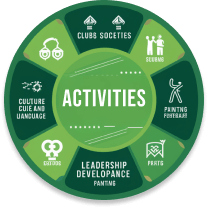
Art

Athletics Track

Clubs/ Societies/Organizations
Coding

Cooking

Culture & Language

Dance

Debate

Drama
Fantasy

Foreign Languages

Fund Raising

Leadership Developing Activities

Media
Military
Model United Nations Club (MUN)

Music

Painting

Performance Art
Photography
Religious Activities

Robotics

Role Playing
Social Activism
Speech & Political Interest

Sports & Recreation

Student Council
Studying Abroad
Technology

Tennis

Volunteering
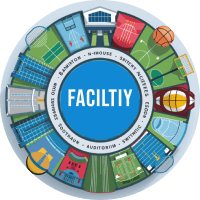
Auditorium
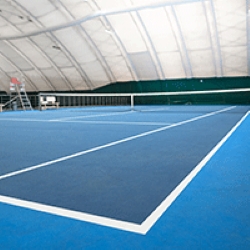
Badminton Court
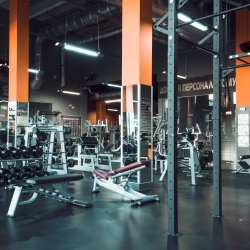
Fully equipped Gym
Swimming pool
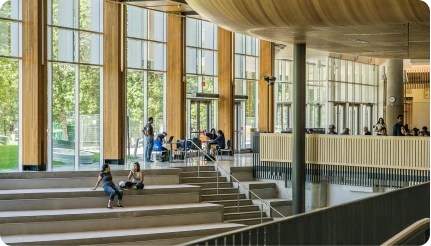
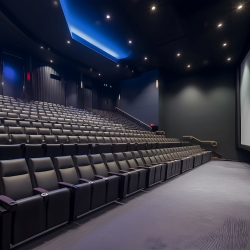
Lakeland University's main campus occupies 25 acres of a 270-acre parcel of land in rural Sheboygan County, with 23 major buildings providing approximately 400,524 assignable square feet of space. The campus is beautifully rural but far from remote, described as a safe, natural retreat and a blank-space springboard for college-life creativity and events. The infrastructure includes academic buildings, residence halls, recreational facilities, and a campus center, with classrooms accounting for 11% and laboratories 12% of assignable square feet. Old Main has been the symbol of the university since 1888 and has undergone renovations, with all four floors housing academic classrooms. The John H. Esch Library provides a large computer-aided external research facility and quiet study spaces. The campus also features the Bradley Theatre, a 500-seat performance facility with a Yamaha CFIII-S concert grand piano, and the Verhulst Fine and Performing Arts Center with two large rehearsal facilities and visual arts studios. The Todd Wehr Center is the home of Lakeland Muskie athletics, and the campus has a lagoon, walking paths, and green spaces. All campuses and centers are equipped with computer laboratories, and the Green Bay Center features a state-of-the-art facility with adequate and safe parking, comfortable classrooms, and a computer lab.


Lakeland University believes that each individual student is capable of lifelong success and offers many development services to keep students motivated, engaged, and on track to meet their academic and career goals. Academic advisors guide the development of students as they discover, clarify and work toward their educational and life goals, answering questions about campus resources, majors and course selection, and assisting in the development of strategies to help each student accomplish both short and long-term objectives. The Hayssen Academic Resource Center (HARC) addresses the academic support needs of students, faculty, and staff by providing information, skills training, and support in the areas of learning skills, critical thinking, information access, and assessment. Tutoring and academic support services help students who are underprepared for the demands of a 4-year college experience to become prepared, help prepared students become advanced in their studies, and help advanced students achieve academic excellence. Many students eventually become peer tutors, offering assistance to others. The Counseling Center provides holistic support to students as they develop academically, personally, emotionally, socially, and spiritually, offering short-term and ongoing individual counseling for matters such as anxiety, depression, identity issues, stress management, relationship concerns, grief and loss, and family stress, all at no cost to students. The center is located in the Wellness Center on the lower level of Brotz Hall and is open Monday through Friday from 8 a.m. to 5 p.m., with after-hours crisis support available through campus safety and community resources.
Lakeland University's campus features a variety of student housing options with different layouts and roommate options, including Grosshuesch and Muehlmeier Halls for freshmen and sophomores, Brotz Hall with a pod-style layout, Stephen A. Gould Hall with apartment-style living, and Kurtz and Morland Houses for upperclassmen. The university has more than 40 active student organizations, and students must be enrolled full time with a minimum cumulative GPA of 2.0 to participate. Clubs and organizations include academic groups like the Accounting Club and Alpha Phi Sigma, diversity and inclusion groups like ALAS and Alphabet Soup, recreational clubs like the Badminton Club, and Greek organizations like Alpha Phi Iota and Beta Psi Nu. The Younger Family Campus Center is the hub of student life, featuring the Pub, The Daily Grind coffee shop, a student lounge, the campus dining room, the Muskie Mart convenience store, and the Entrepreneur Studio. Students can participate in athletics, clubs, concerts, guest speakers, and other special events, and the university has a rich music tradition with the Muskie Pride Marching Band. The campus offers a safe, natural retreat with a lagoon, walking paths, and green spaces, and residential students can enjoy a typical campus experience while accumulating little or no tuition debt and graduating with significant professional experience.


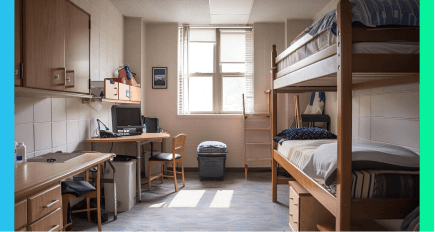
Lakeland University's campus features a variety of student housing options with different layouts and roommate options. In 2022, the university opened new, state-of-the-art versions of Grosshuesch and Muehlmeier Halls, which are identical halls for freshmen and sophomores, offering housing options for singles, doubles and triples, with resident support functions including front desk area, vending, lounge spaces, kitchenettes, study rooms, gender-neutral bathrooms, laundry facilities, recycling centers, and bottle-filling stations. Brotz Hall is a coed facility with room for 96 students on three floors, featuring a pod-style layout with 12 pods, each containing three double rooms, two single rooms and two restrooms with shower and bath, and a pair of pods share a large living area, kitchen, and study. Stephen A. Gould Hall is an "L" shaped building with 64 beds in eight student housing apartments, each pod including three double rooms, two single rooms, a living room, kitchen and two restrooms, and it houses chapter rooms for Lakeland's six Greek organizations. Morland House offers four-person apartments with two double rooms, a large living room, kitchen and study lounge, and Kurtz House offers six-person apartments with two double rooms, two single rooms, two restrooms, a large living room and kitchen, together housing 112 students. Krueger Hall houses 98 students on four floors, with generous room sizes, carpeted rooms, a main lounge with a big-screen television, piano, computer station, and adjacent kitchen, and smaller study lounges on other floors. All facilities are smoke-free, and some are alcohol-free. Housing costs for 2026-2027 include Muehlmeier & Grosshuesch Halls double room at $6,510 per year, Kurtz/Hill/Morland Apartments and Gould/Brotz Hall double room at $7,580 per year, and meal plans ranging from $4,370 to $7,670 per year.

Lakeland University's Department for Campus Safety's mission is to provide professional and courteous service to the Lakeland University students, faculty, and staff. The university publishes an Annual Security and Fire Safety Report that contains policies and procedures related to campus security, crime reporting, and fire safety for the Main Campus and all related regional centers, including abroad. Campus safety services include 24-hour foot and vehicle patrols, late night transport/escort service, 24-hour emergency telephones, lighted pathways/sidewalks, and controlled dormitory access. The Department for Campus Safety is located in Brotz Hall, and the Director of Campus Safety & Title IX Coordinator can be reached at (920) 565-1000 ext. 2503 or by email. The university has procedures for emergency crime reporting, voluntary and confidential reporting, anonymous reporting, and campus security authorities. The annual report includes crime statistics, fire statistics, policies on alcohol and drugs, emergency response and evacuation procedures, and information on sexual assault, domestic violence, dating violence, and stalking. The university also provides safety programs and crime prevention education for students and employees.


Lakeland University's Career Development Office offers helpful advice and excellent resources so that students can be more effective in a job search, secure a position of interest, and remain focused on their career goals. The university's Cooperative Education program allows undergraduate students to earn academic credit for professional work experiences, and students in any major can earn 25% of their degree working as part of the program. To date, Co-Op opportunities have enabled students to collectively earn more than $10 million in real income that helps reduce college costs and accelerates career readiness. Lakeland's career-connected approach ensures students are prepared for in-demand jobs with strong earning potential, and job placement rates and starting salaries are higher than those of their peers. The university's Career Readiness Department works with students on job searches, resume building, networking, cover letter writing, and more, and the career development website provides valuable information and resources. Lakeland also enables students to complete coursework online while tailoring their studies around career goals and interests, and the university's MBA program is designed to help professionals build on existing experience while developing broader business knowledge and leadership skills.


Embark on your educational journey with confidence! Our team of admission experts is here to guide you through the process. Book a free session now to receive personalized advice, assistance with applications, and insights into your dream school. Whether you're applying to college, graduate school, or specialized programs, we're here to help you succeed.
We use cookies to improve your experience, personalize content, and analyze traffic. By clicking 'Accept All,' you agree to our use of cookies.