Paris, France

Paris, France

Archery
Athletics
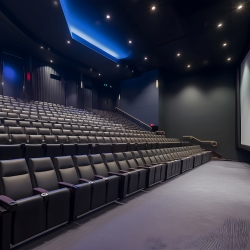
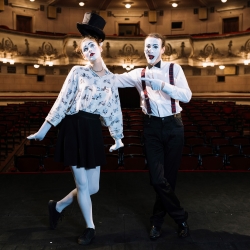
Auditorium
Badminton
Baseball
Basketball
Bowling
Boxing
Bungee jumping
Cricket
Cross Country
Cross Country Skiing
Cycling
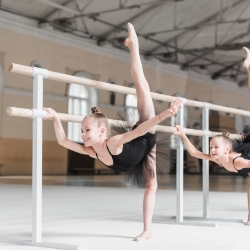
Dance
Darts
DodgeBall
Fencing
Figure skating
Fishing
Floor Ball
Football
Futsal
Golf
Gymnastics
Handball
Hang Gliding
Hockey
Horse Racing
Ice hockey
Ice skating
Jet skiing
Judo
Karate
Kickboxing
Lacrosse
Martial Arts
Mini Ball
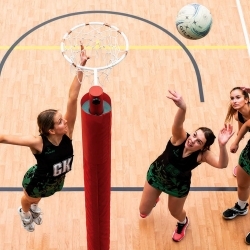
Netball
Polo
Rock climbing
Roller skating
Rounders
Rowing
Rugby
Running
Sailing
Scuba diving
Skateboarding
Skating
skiing
Sky diving
Snowboarding
Snowshoeing
Soccer
SoftBall
Squash
Strength and Conditioning Games
Sumo wrestling
Surfing
Swimming
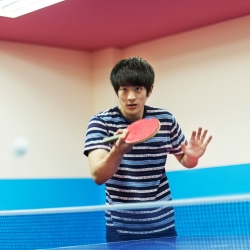
Table Tennis
Taekwondo
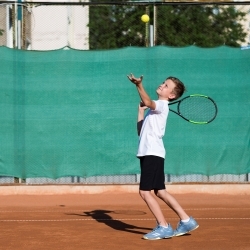
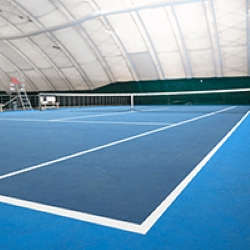
Tennis
Throw ball
tobogganing
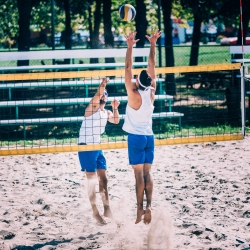
Volleyball
Water polo
Water skiing
Weight lifting
Wind surfing
Wushu
Yoga
Art
Athletics Track
Clubs/ Societies/Organizations
Coding
Cooking
Culture & Language
Dance
Debate
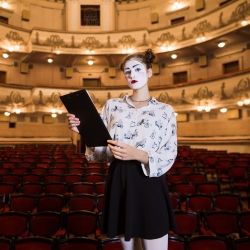
Drama
Fantasy
Foreign Languages
Fund Raising
Leadership Developing Activities
Media
Military
Model United Nations Club (MUN)
Music
Painting
Performance Art
Photography
Religious Activities
Robotics
Role Playing
Social Activism
Speech & Political Interest
Sports & Recreation
Student Council
Studying Abroad
Technology
Tennis
Volunteering
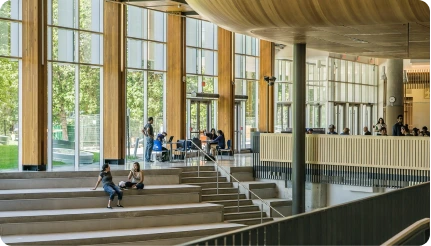
Auditorium
Badminton Court
Basket ball Court
Cricket nets
Cricket Pitch
Cycling Track
Football Court
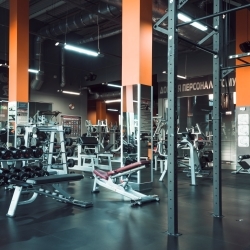
Fully equipped Gym
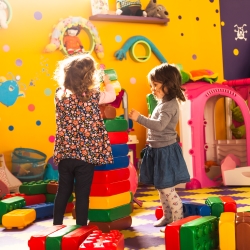
Kids Play Area
Roller Skating Track
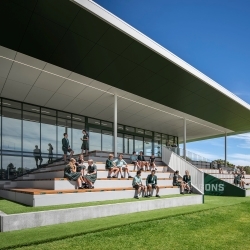
Sports Pavillion
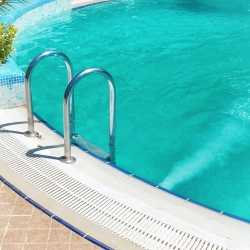
Swimming pool
Synthetic Running Track
Theatre
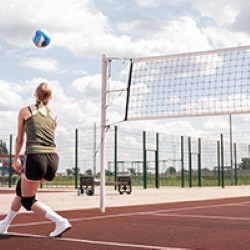
Volley Ball Court
Paris-Sorbonne University combined historical architecture with modern academic facilities across its multiple campuses. The main campus featured grand lecture halls with ornate detailing, marble floors, and stained glass windows, symbolizing France’s intellectual heritage. Renovated buildings offered multimedia-equipped classrooms, research labs, and seminar rooms. Specialized centers for languages and digital humanities supported experiential learning. The university provided robust IT infrastructure, including campus-wide Wi-Fi, online course platforms, and digital archives. Facilities also included auditoriums, exhibition halls, cultural spaces, music rooms, and modern cafeterias. The integration of advanced learning technologies into heritage-rich buildings created a unique academic ambiance. Eco-friendly measures such as energy-efficient lighting and recycling bins promoted sustainability. Residence halls were furnished with modern amenities and communal kitchens. Security infrastructure included 24/7 surveillance and restricted access areas. Paris-Sorbonne’s infrastructure struck a balance between preserving cultural legacy and providing a contemporary learning environment for students.


Paris-Sorbonne University offered extensive support services to ensure student well-being and academic success. An active student services office guided students on academic planning, registration, and course selection. Dedicated advisors helped international students navigate French higher education. Language support centers offered French language classes for non-native speakers, easing their transition. The university also provided career counseling, internship assistance, and alumni mentoring programs. Psychological support services and confidential counseling were available to address mental health needs. Students with disabilities had access to tailored accommodations, including adapted materials and exam adjustments. Peer tutoring, writing workshops, and study groups reinforced academic achievement. The university’s administrative staff regularly held orientation sessions, workshops, and Q&A forums for student queries. Financial aid officers assisted with scholarship applications and budgeting. Through holistic academic, emotional, and logistical support, Sorbonne created a nurturing environment for students from diverse backgrounds to thrive.
Student life at Paris-Sorbonne University was vibrant, intellectually enriching, and culturally diverse. Located in the heart of Paris, students had direct access to theaters, museums, cafés, and historic sites. The university’s student union organized cultural festivals, debates, concerts, and academic competitions throughout the year. Various student clubs catered to interests like philosophy, international affairs, literature, music, and languages. Regular film screenings, poetry readings, and public lectures fostered community engagement. International students participated in cultural exchange programs and language tandem groups. Campus cafés and lounges served as popular meeting points. Volunteering and outreach programs allowed students to engage with the local community. Artistic expression was encouraged through performances and exhibitions. Students also participated in national and European academic events. Overall, student life was intellectually stimulating and socially dynamic, reflecting the university’s mission of holistic development and cultural immersion in the heart of France.


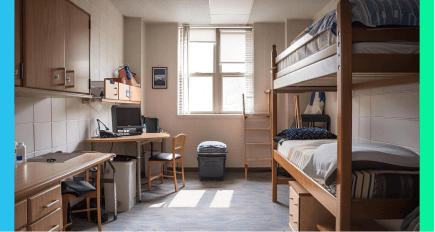
Paris-Sorbonne University partnered with CROUS to provide students with affordable, centrally located housing options. University-managed residences offered furnished studios, shared flats, and apartments with communal kitchens, internet, laundry, and study areas. Eligibility prioritized international, scholarship, and low-income students. Support services assisted with administrative tasks like residency permits and rental insurance. Many residences were within walking distance of central campuses, metro, and tram lines. Private rental guides helped students find certified housing options. Residence life included community events, cultural nights, and shared meals. The housing office arranged temporary university guest rooms for short stays. This combination of affordable, secure, and community-driven accommodation supported student integration and well-being, reinforcing Paris-Sorbonne’s inclusive environment.

Paris-Sorbonne University ensured campus safety through structured measures and partnerships. Buildings featured secure entry systems, 24/7 surveillance, and occasional security patrols. Emergency procedures and first-aid training were regularly conducted. The university collaborated with Paris police and fire services to maintain safety standards. It enforced anti-harassment policies and provided confidential reporting mechanisms. International students attended orientation sessions on safety, legal rights, and resources. Mental health emergency procedures included hotlines and crisis intervention access. The university also ran cyber-security awareness workshops. Well-lit pathways and accessible emergency numbers ensured safe movement during evenings. These comprehensive protocols created a secure academic environment in central Paris.


Paris-Sorbonne University’s Career Services empowered students with personalized support for employment and further studies. Offerings included CV and cover letter workshops, interview preparation, LinkedIn profile guidance, and monthly job fairs. Students could access internship listings, academia-adjacent research positions, and cultural sector opportunities through the portal. The alumni network, including diplomats, writers, actors, and scholars, frequently participated in mentoring events and panels. Career advisors offered one-on-one consultations tailored to student goals. Partnerships with institutions like UNESCO and publishers enabled sector insights and placements. Specialized support was available for thesis internships and post-graduate studies abroad. These resources equipped students with professional readiness, expanding employability across humanities-driven careers.


Embark on your educational journey with confidence! Our team of admission experts is here to guide you through the process. Book a free session now to receive personalized advice, assistance with applications, and insights into your dream school. Whether you're applying to college, graduate school, or specialized programs, we're here to help you succeed.

We use cookies to improve your experience, personalize content, and analyze traffic. By clicking 'Accept All,' you agree to our use of cookies.