University of Malta

Msida, Malta

L-Università ta' Malta, commonly known as the University of Malta (UM), is Malta’s leading higher education institution and one of Europe’s oldest universities. Its origins trace back to the Collegium Melitense, established by the Jesuits in 1592, while the University was formally established in 1769.
Add to compare

Experience Exceptional Student Facilities & Services at University of Malta

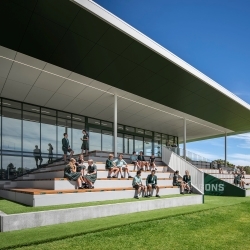
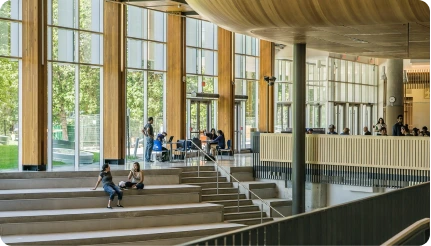
University of Malta has a comprehensive academic infrastructure centred on its main Msida campus, supported by campuses and facilities in Valletta, Marsaxlokk and Gozo. The Msida campus includes modern lecture theatres, classrooms, computer training rooms, specialised laboratories, research centres, the University Library, IT facilities, conference spaces, student services and sports facilities. Its infrastructure supports disciplines ranging from engineering and ICT to biomedical sciences, built environment, performing arts and humanities. The University has extensive research and laboratory infrastructure, including the Engineering Research & Innovation Laboratories (ERIL), engineering workshops, robotics and control laboratories, biomedical facilities, ICT and artificial-intelligence laboratories, and specialised electronics and manufacturing laboratories. The Faculty of Engineering operates laboratories for electronic systems, industrial and manufacturing engineering, electrical engineering, mechanical engineering, metallurgy and materials engineering, and systems and control engineering. 
View More

Sports Offered

Activities Offered

In-House Facility

Infrastructure

University of Malta has a comprehensive academic infrastructure centred on its main Msida campus, supported by campuses and facilities in Valletta, Marsaxlokk and Gozo. The Msida campus includes modern lecture theatres, classrooms, computer training rooms, specialised laboratories, research centres, the University Library, IT facilities, conference spaces, student services and sports facilities. Its infrastructure supports disciplines ranging from engineering and ICT to biomedical sciences, built environment, performing arts and humanities.

The University has extensive research and laboratory infrastructure, including the Engineering Research & Innovation Laboratories (ERIL), engineering workshops, robotics and control laboratories, biomedical facilities, ICT and artificial-intelligence laboratories, and specialised electronics and manufacturing laboratories. The Faculty of Engineering operates laboratories for electronic systems, industrial and manufacturing engineering, electrical engineering, mechanical engineering, metallurgy and materials engineering, and systems and control engineering. 

View More

Student Support

University of Malta provides a comprehensive range of academic, personal, wellbeing and administrative support services. The Help Hub, located in Students’ House, operates as a one-stop service where students can obtain guidance on admissions, finance, accommodation, examinations, exchange programmes and other university-related matters. Student Advisory Services provides academic, career and course-related guidance and works closely with faculties and other university services.

Students also have access to the Health and Wellness Centre, including confidential counselling and mental-health support. The ACCESS Disability Support Unit provides reasonable accommodations and assistance for students with disabilities, medical conditions or specific learning difficulties. International students receive additional assistance from the International Office, including orientation, exchange and Erasmus+ guidance, information on accommodation and health services, and support during their studies. Students can also access the Student Solidarity Fund, Chaplaincy, IT support, stipends assistance, harassment and bullying support, and other welfare services. 

View More

Student Life

Student life at the University of Malta is centred on a combination of academic, social, cultural, sporting and extracurricular activities. Students can participate in around 70 Senate-recognised student organisations, covering academic disciplines, international interests, culture, social issues, sports and professional development. The Kunsill Studenti Universitarji (KSU) represents students and organises social and cultural activities, while elected student representatives participate in university and faculty-level bodies.

The University also promotes extracurricular development through its DegreePlus initiative, which includes opportunities in volunteering, entrepreneurship, sports, culture and heritage, languages, music, creative and performing arts, professional development and work placements. Students can participate in sports such as football, basketball, badminton, volleyball, netball and squash, with dedicated facilities and support for student athletes. The campus also provides social spaces, gardens, common areas and a canteen, while international students can participate in Erasmus+ and other exchange opportunities. 

View More

Housing facilities (Accommodation)

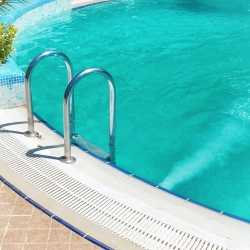
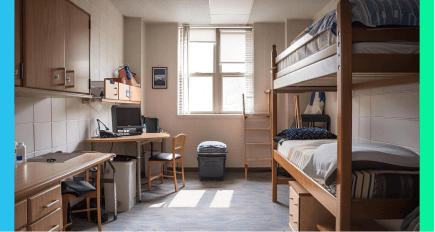
The University of Malta provides students with a range of accommodation options both on and off campus. The main university-linked option is Campus Hub Residence, located just a few metres from the main Msida campus, offering convenient access to teaching facilities and campus services. The residence provides different room arrangements, including single-room cluster apartments, single-room shared apartments, twin-room options and studio apartments. Facilities include Wi-Fi, study areas, common lounges, kitchens, swimming pool, gym, laundry, bicycle storage, security and on-site maintenance.

Students may also choose private apartments, hostels or other accommodation around Malta. The University advises international students to arrange accommodation soon after receiving their acceptance because of high demand. For students renting private accommodation, additional documentation such as a notarised rental agreement and Housing Authority documentation may be required for the residence-permit process. The University's Help Hub and International Office provide guidance on accommodation-related matters. 

View More

Student Safety

The University of Malta maintains dedicated health, safety and security arrangements across its campuses. The University's Health & Safety service advises students and staff on safety procedures, responds to emergencies and investigates accidents and incidents. Campus security is supported by CCTV and access-control systems designed to protect students, staff, visitors and university facilities.

The University also has policies and confidential reporting procedures covering harassment, bullying and sexual harassment, with dedicated advisors and support services. Students can contact UM Security, the Health and Wellness Centre and emergency services when required; the emergency number in Malta is 112. Since 2025, the My UM app has also included a dedicated “Harassment: Seek Support & Report” feature to facilitate reporting and access to support.

For international students, the University provides orientation and guidance on health, support services and emergency procedures. Its student-welfare framework also emphasises physical and psychological wellbeing, security, inclusion and the integration of students from different social and cultural backgrounds.

View More

Career Support

The University of Malta (UM) supports student employability through its Corporate Research & Knowledge Transfer Office, Student Advisory Services and DegreePlus work-placement scheme. Students can undertake placements in industry or other work environments to gain practical experience, develop professional skills and improve their employability before graduation. Eligible placements can receive formal recognition through DegreePlus and be recorded on the student’s academic transcript. UM also works with employers and organisations that offer placement opportunities, enabling students to gain exposure to potential employers. In addition, Student Advisory Services provides career-related information, vocational guidance and advice on career paths, while certain programmes include dedicated career and job-search skills training. 

View More

University Of University of Malta Application Statistics

12000
2800
70 %
€ 8500
€ 12000
€ 1080
2
27
55 %
6

We also can help you with following Services

Connect With University of Malta

Book Free Session with Our Admission Experts

Admission Experts